
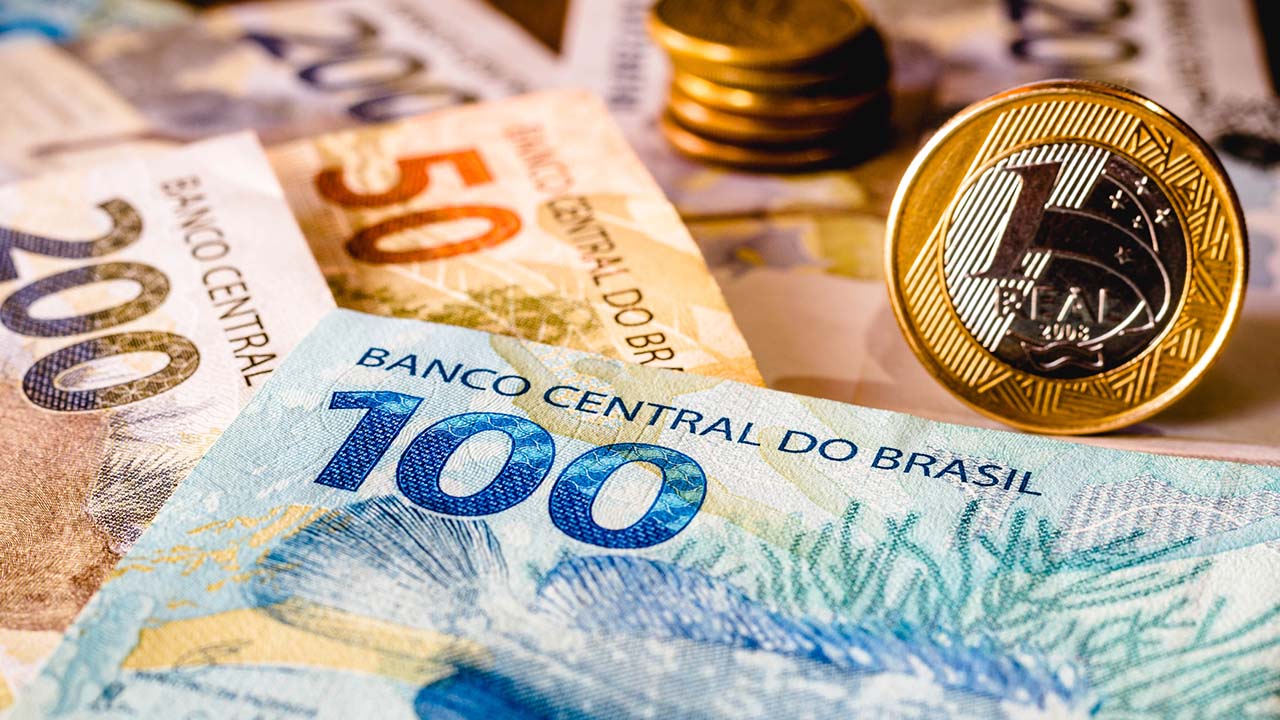
Why International Investors Should Consider the Brazilian Real Alongside the Dollar and Euro

For decades, international investors have relied heavily on the U.S. dollar and the euro when building globally diversified portfolios. These currencies remain important pillars of the global financial system, offering liquidity, stability, and access to some of the world’s largest economies.
However, diversification is not only about owning different assets—it is also about gaining exposure to different economies, growth cycles, and currencies.
As global markets continue to evolve, many investors are exploring opportunities beyond traditional reserve currencies. One market that deserves attention is Brazil, whose currency, the Brazilian Real (BRL), provides exposure to one of the world’s largest emerging economies.
Why Currency Diversification Matters
Many portfolios are concentrated in assets denominated in dollars and euros. While these currencies have historically played a central role in global investing, relying exclusively on them may limit exposure to other sources of economic growth.
Different countries experience different economic cycles. By including assets linked to multiple currencies, investors may reduce concentration risk and gain access to opportunities that may not exist in developed markets.
Currency diversification can become an additional layer of portfolio diversification alongside stocks, bonds, real estate, and alternative investments.
Brazil’s Strategic Position in the Global Economy
Brazil is one of the largest economies in the world and plays a critical role in several sectors that are essential to global growth.
The country is a major exporter of:
- Agricultural products;
- Iron ore and minerals;
- Energy commodities;
- Industrial raw materials;
- Food products consumed worldwide.
As demand for natural resources and agricultural production continues to grow, Brazil remains an important participant in global supply chains.
Investing in assets denominated in Brazilian Real can provide exposure to these economic strengths.
Potential Benefits of BRL Exposure
1. Access to Higher Interest Rate Environments
Compared with many developed economies, Brazil has historically maintained higher interest rates.
While higher rates often reflect different economic conditions and risks, they can also create opportunities for investors seeking income-generating assets.
Brazilian fixed-income investments may offer yields that are difficult to find in many developed markets.
2. Exposure to an Emerging Growth Economy
Emerging markets often experience growth drivers that differ from those of mature economies.
Brazil’s economy benefits from:
- A large domestic market;
- Abundant natural resources;
- Expanding infrastructure investment;
- Growing participation in international trade.
For investors seeking broader geographic diversification, Brazil can represent an additional source of potential long-term growth.
3. Diversification Beyond Traditional Reserve Currencies
Many international portfolios already have significant exposure to the U.S. dollar and the euro.
Adding selected investments linked to the Brazilian Real can help diversify currency exposure and reduce dependence on the economic performance of a small number of countries.
Diversification does not eliminate risk, but it may help create a more balanced portfolio.
4. Access to Unique Investment Opportunities
Brazil’s capital markets provide access to sectors that may have limited representation in other countries.
Examples include:
- Agribusiness;
- Mining;
- Renewable energy;
- Infrastructure;
- Financial services.
These industries often respond to different economic forces than those affecting major North American and European markets.
Understanding the Risks
Like any investment, exposure to the Brazilian Real carries risks.
These may include:
- Currency volatility;
- Political and regulatory changes;
- Economic fluctuations;
- Market-specific risks.
For this reason, BRL-denominated investments are typically considered part of a diversified strategy rather than a standalone allocation.
Investors should evaluate their objectives, risk tolerance, and time horizon before making investment decisions.
A Global Portfolio Does Not Need to Depend on Only Two Currencies
The U.S. dollar and euro will likely remain important components of international portfolios for years to come.
However, global diversification is evolving. Investors increasingly recognize that opportunities can emerge from economies beyond the traditional financial centers.
The Brazilian Real offers exposure to a resource-rich economy, a large consumer market, and investment opportunities that differ from those available in many developed countries.
For investors seeking broader diversification, BRL-denominated assets may deserve consideration as part of a long-term global strategy.
Looking to Explore Investment Opportunities in Brazil?
Understanding a foreign market requires local knowledge, regulatory awareness, and a clear investment strategy.
Whether your goal is income generation, portfolio diversification, or long-term capital growth, professional guidance can help identify opportunities that align with your objectives.
If you would like to learn more about investing in Brazilian assets and the potential role of the Brazilian Real in a globally diversified portfolio, consider speaking with an investment professional who understands both international markets and the Brazilian investment landscape.