
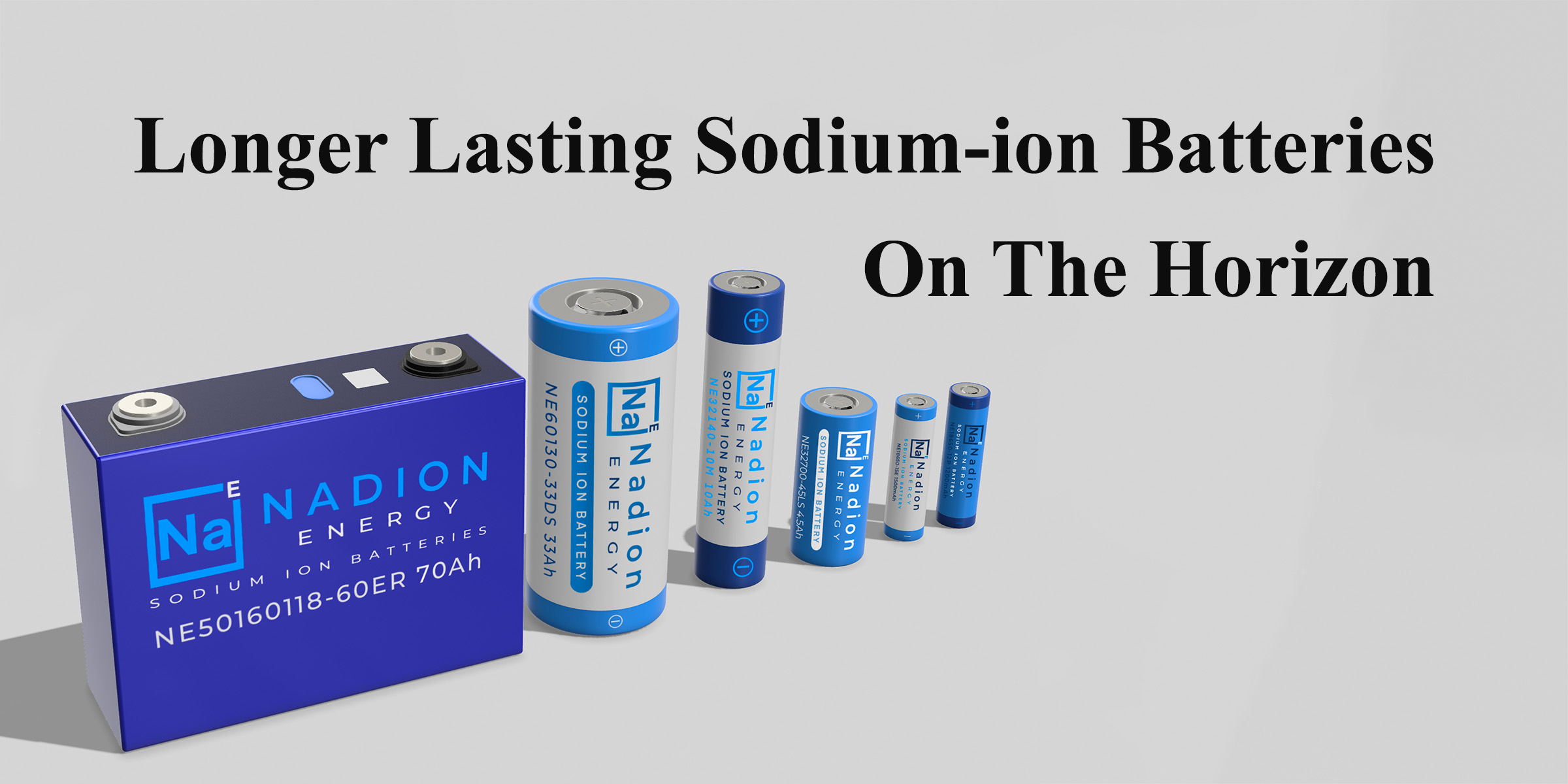
Sodium Batteries: Could Rio Grande do Norte Become One of the Biggest Winners of the New Energy Revolution?

The global energy transition is creating economic opportunities that few people could have imagined a decade ago. While most investors remain focused on lithium, a new technology is attracting increasing attention: sodium-ion batteries.
If this technology reaches the scale expected by researchers and manufacturers, regions with strong salt production could experience significant economic growth. In Brazil, Rio Grande do Norte stands out due to a unique combination of strengths: leadership in salt production, world-class renewable energy resources, and a strategic location for industrial development and exports.
What Are Sodium Batteries?
Sodium-ion batteries operate in a similar way to the lithium-ion batteries currently used in electric vehicles, energy storage systems, and electronic devices.
The key difference lies in the raw material. Sodium is one of the most abundant elements on Earth and can often be sourced at a lower cost than lithium.
Potential advantages include:
- Reduced dependence on critical minerals.
- Lower production costs.
- Greater global availability of raw materials.
- Strong potential for stationary energy storage.
- More diversified supply chains.
Although lithium batteries continue to dominate the market, major companies worldwide are investing heavily in sodium battery technology.
Why Is Rio Grande do Norte Important?
Rio Grande do Norte is responsible for most of Brazil’s sea salt production.
Its favorable climate, characterized by strong sunlight, steady winds, and low rainfall in certain regions, has made the state one of Latin America’s leading salt-producing areas.
For decades, salt has been viewed primarily as a low-value commodity. However, technological advances may significantly increase its economic importance.
Should sodium battery production expand globally, the state’s established salt industry could become a strategic advantage.
A Renewable Energy Powerhouse
The potential of Rio Grande do Norte extends far beyond salt production.
The state has become one of Brazil’s leading renewable energy hubs, particularly in wind and solar power generation.
Its strong and consistent winds have positioned Rio Grande do Norte among the country’s largest producers of wind energy. At the same time, high levels of solar irradiation have encouraged rapid growth in solar power projects.
This combination is especially important because energy storage is considered one of the biggest challenges facing renewable energy.
Solar power depends on sunlight.
Wind power depends on weather conditions.
Batteries allow excess electricity to be stored when production is high and released when demand increases.
In other words, the growth of renewable energy could drive demand for large-scale storage systems, including sodium batteries.
Opportunities for Industrial Development
Historically, many regions export raw materials and import higher-value manufactured products.
The real economic opportunity for Rio Grande do Norte may lie not only in salt production but also in attracting investment throughout the entire value chain.
Potential opportunities include:
- Battery component manufacturing.
- Research and development centers.
- Energy storage projects.
- Clean energy industries.
- Export-oriented manufacturing facilities.
If even part of this industrial ecosystem is developed locally, the economic impact could far exceed the value generated by salt extraction alone.
Could Rio Grande do Norte Become a New Saudi Arabia?
The comparison is eye-catching, but it should be viewed carefully.
Saudi Arabia’s wealth was built over decades through massive oil reserves and global energy exports.
In contrast, sodium batteries are still an emerging technology.
There is no guarantee they will replace lithium batteries on a large scale. Furthermore, economic success depends not only on the availability of raw materials but also on the ability to build a competitive industrial ecosystem.
Nevertheless, Rio Grande do Norte possesses several strategic advantages:
- Leadership in salt production.
- Strong wind energy generation.
- Significant solar energy potential.
- Export experience.
- Capacity to attract industrial investment.
Together, these factors position the state as a potential beneficiary of the global transition toward a low-carbon economy.
What Should Investors Watch?
Investors interested in long-term trends should monitor:
- The evolution of sodium battery technology.
- Industrial projects in Northeast Brazil.
- Renewable energy investments.
- Energy storage companies.
- Government policies supporting industrial development.
History shows that major technological transformations often create opportunities for regions capable of combining natural resources, innovation, and infrastructure.
Rio Grande do Norte may be one of those regions.
Conclusion
Sodium batteries are not yet the dominant technology in the global energy storage market, but they represent one of the most promising developments in the ongoing energy transition.
If adoption accelerates, Rio Grande do Norte could benefit from its leadership in salt production and its growing importance in renewable energy generation.
More importantly, the state’s long-term success will depend on its ability to transform natural advantages into industrial development, technological innovation, and sustainable economic growth.
For investors, entrepreneurs, and policymakers, this is a trend worth watching closely.
Interested in investing in Brazil and following opportunities related to renewable energy, infrastructure, and financial markets?
Visit andresouzainvestimentos.com for insights on Brazilian investments and financial planning.
International investors can also explore startinvestinginbrazil.com to learn more about opportunities in one of the world’s largest emerging economies.
Whatsapp: + 55 84 99121-1417