
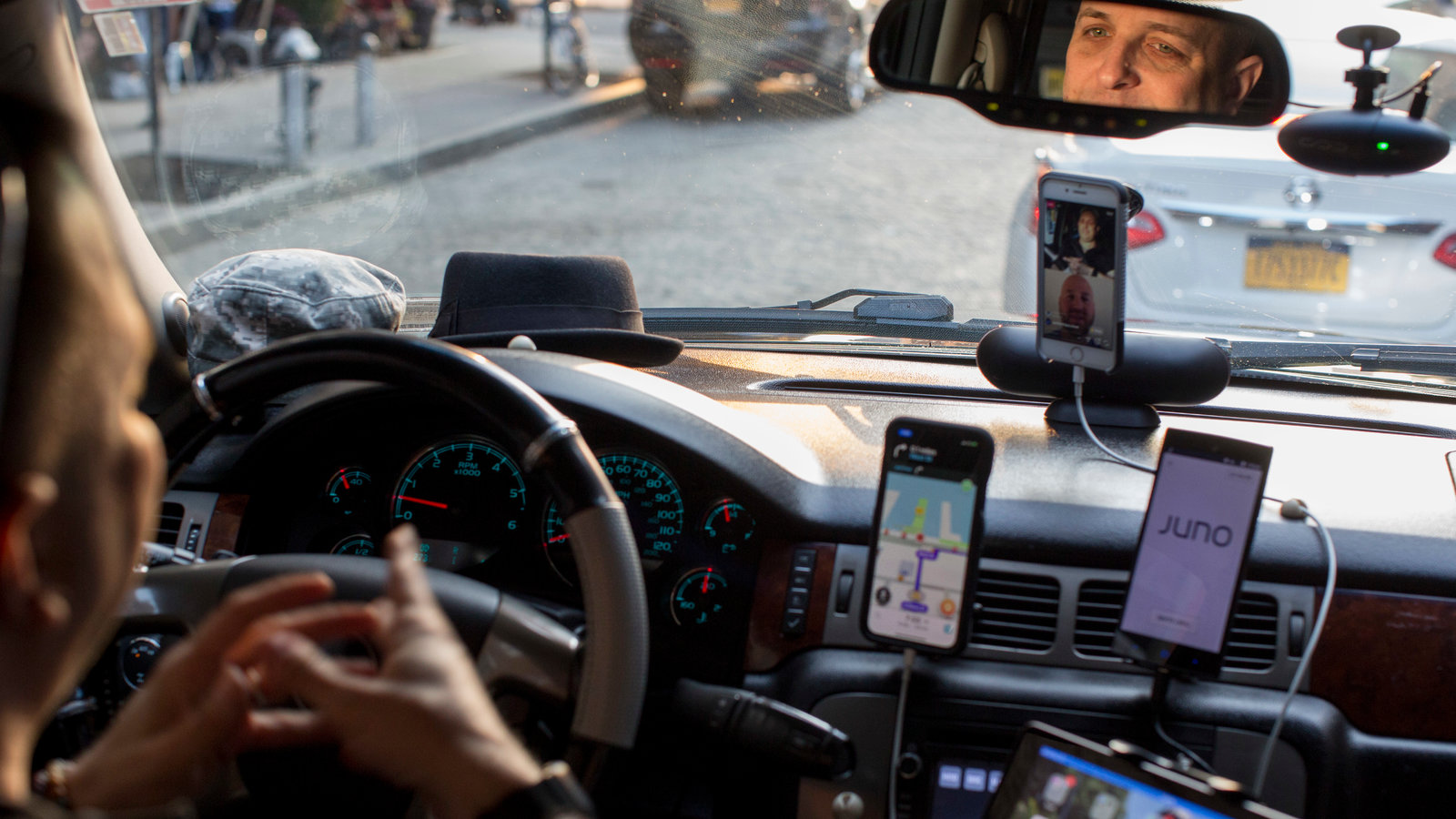
Ride-Hailing Services: When Both Passengers and Drivers Are Unhappy, the Problem May Be in the Business Model

Ride-hailing services have transformed urban mobility around the world. In just a few years, millions of people have come to rely on digital platforms to commute to work, attend school, run errands, and participate in social activities. Convenience and accessibility have made these services an essential part of modern transportation.
However, signs of imbalance have emerged in many cities. On one side, passengers complain about rising fares, longer waiting times, and frequent ride cancellations. On the other, drivers report difficulty earning a sufficient income despite working long hours that often exceed 40 hours per week.
This situation raises an important question: how can passengers be paying more while many drivers still struggle financially?
Rising Costs for Passengers
Several factors have contributed to higher ride prices in recent years. Inflation, fuel costs, vehicle maintenance expenses, and the supply-and-demand dynamics used by ride-hailing platforms all affect the final price paid by customers.
During peak hours or periods of high demand, algorithms often increase fares to encourage more drivers to become available. While this may improve service availability, it can also generate frustration among users.
For many passengers, the conclusion is straightforward: transportation through ride-hailing apps has become more expensive and, in some cases, less predictable.
The Reality Faced by Drivers
While passengers experience higher prices, drivers face challenges of their own.
Operating a vehicle for ride-hailing services involves numerous expenses, including:
- Fuel;
- Tire replacement;
- Vehicle maintenance and repairs;
- Insurance;
- Registration and licensing fees;
- Cleaning and vehicle upkeep;
- Vehicle depreciation.
Many drivers argue that once these costs are deducted, their net income is considerably lower than it appears.
As a result, a significant number of drivers extend their working hours in order to maintain a level of income capable of supporting their households and meeting financial obligations.
The Sustainability Challenge
The core issue appears to be the difficulty of balancing the interests of all stakeholders involved.
Passengers want affordable prices and reliable service.
Drivers seek compensation that fairly reflects their costs, time, and effort.
Platforms must invest in technology, security, customer support, and market expansion while also generating returns for investors.
When one part of this ecosystem becomes overly pressured, distortions emerge that affect everyone involved.
Long-term sustainability depends on creating incentives that work for all participants.
The Impact on Urban Mobility
Ride-hailing services have become an integral component of urban transportation systems.
In many cities, they complement public transportation, provide mobility in underserved areas, and reduce the need for private vehicle ownership.
When driver availability declines or fares rise excessively, the broader population can be affected.
For this reason, discussions about the economic sustainability of ride-hailing services are relevant not only to passengers and drivers but also to policymakers and urban planners.
Technology and the Search for Balance
Technology will continue to play a central role in the future of the sector.
Artificial intelligence, route optimization systems, enhanced safety features, and new compensation models may improve operational efficiency.
However, technology alone cannot solve fundamental economic challenges.
The long-term success of the industry will depend on creating an environment where passengers receive reliable service, drivers earn sustainable incomes, and companies maintain viable business operations.
What Investors Can Learn from This Situation
The ride-hailing industry offers an important lesson for investors and entrepreneurs.
Large-scale digital businesses do not automatically achieve a balance between growth, profitability, and user satisfaction. Finding that equilibrium is often one of the greatest long-term challenges.
When evaluating technology companies, investors should look beyond revenue growth and consider whether the business model creates value for all participants within the ecosystem.
Companies that successfully align stakeholder interests are often better positioned to build durable competitive advantages.
Conclusion
The debate surrounding ride-hailing services extends far beyond the price of a ride.
When passengers complain about higher fares while drivers report working increasingly long hours to earn a living, it may indicate a deeper imbalance within the sector.
Finding solutions that reconcile affordability, efficiency, and fair compensation will be essential for ensuring the long-term sustainability of ride-hailing services in the years ahead.
About André Vilabrisa
Understanding economic trends and market transformations is essential for making informed financial decisions. Through his channel and social media platforms, André Vilabrisa provides analysis on economics, investments, business, and the financial implications of emerging trends.
If you are looking for guidance on building wealth, understanding market developments, and developing a long-term investment strategy, contact André Vilabrisa to learn more about his financial advisory services and exclusive content.
Whatsapp: +55 84 99121-1417