
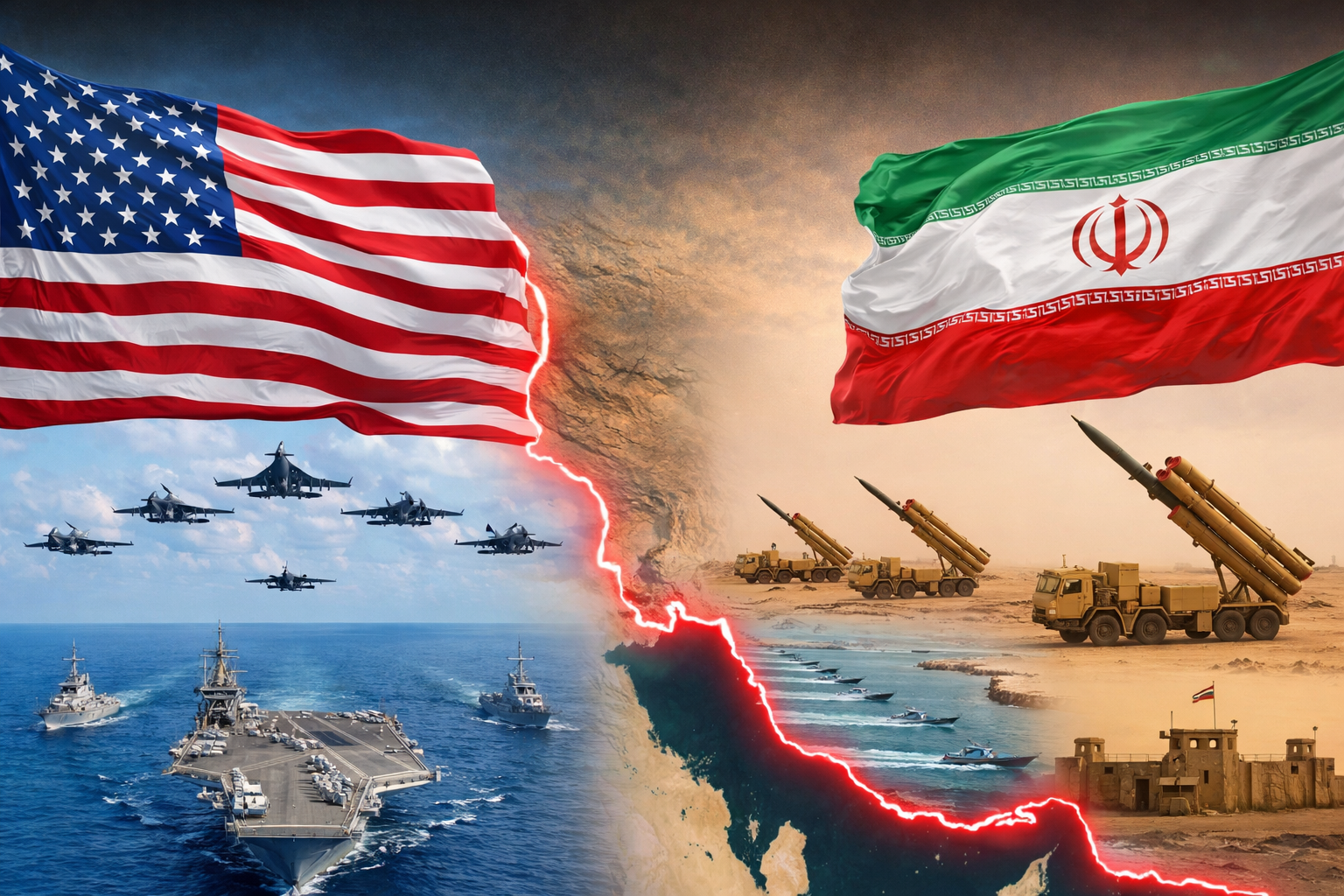
The Economic Cost of War: How Billion-Dollar Conflicts Affect Public Finances and Investments

Introduction
International conflicts are not solely about military and strategic considerations. Behind every decision to engage in war lies a significant economic consequence: increased government spending, rising debt levels, market volatility, and changes in investment behavior.
The United States’ expenditures related to the conflict with Iran illustrate how geopolitical decisions can have far-reaching economic effects that extend well beyond national borders.
Estimates suggest that military operations associated with the conflict have cost approximately $37.5 billion, representing a substantial use of public resources that could otherwise be allocated to economic development initiatives.
Military Spending and America’s Fiscal Challenges
The United States maintains one of the world’s largest economies, but it also faces considerable public debt challenges.
Today, U.S. public debt exceeds 100% of Gross Domestic Product (GDP), meaning that the federal government’s total obligations are greater than the nation’s annual economic output.
In this environment, additional spending creates several challenges:
- Increased borrowing requirements;
- Higher interest expenses;
- Greater pressure on the federal budget;
- Reduced fiscal flexibility for future investments.
Although the U.S. economy remains resilient and the dollar continues to serve as the world’s primary reserve currency, fiscal sustainability remains an important concern for investors worldwide.
War’s Impact on Financial Markets
Periods of military escalation often influence financial markets in three key ways.
1. Inflation
Conflicts can disrupt energy markets, food supplies, and global supply chains.
Rising oil prices, for example, tend to increase transportation costs and contribute to inflationary pressures across the global economy.
2. Interest Rates
Persistent inflation may encourage central banks to maintain higher interest rates for longer periods, affecting:
- Consumer spending;
- Business investment;
- Credit availability;
- Equity markets.
3. Market Volatility
Geopolitical uncertainty tends to increase market volatility, reinforcing the importance of well-structured investment strategies.
As a result, understanding geopolitics is no longer reserved for institutional investors. Individual investors increasingly need to understand how global events can influence their portfolios.
Is Diplomacy the More Economical Alternative?
History has repeatedly demonstrated that military conflicts generate significant costs—not only during active operations but also throughout the reconstruction and recovery process.
Diplomatic negotiations require time, compromise, and political effort. Nevertheless, they often represent a far less expensive option than military intervention.
From an economic perspective, avoiding conflict can help:
- Preserve public resources;
- Reduce uncertainty for businesses and investors;
- Maintain global supply chains;
- Support long-term economic growth.
Diplomacy may not eliminate every international dispute, but it remains one of the most cost-effective tools available to governments.
What Can Investors Learn?
Events such as wars and geopolitical crises highlight an important lesson:
Investment decisions should not be driven solely by short-term headlines.
Successful financial planning is built upon:
- Diversification;
- Risk management;
- Long-term objectives;
- Scenario analysis.
Prepared investors recognize that economic disruptions are part of market cycles and seek to make informed decisions rather than reacting emotionally to uncertainty.
Conclusion: Economics, Politics, and Investing Are Connected
The cost of war extends beyond the battlefield. It appears in government budgets, public debt figures, and investment portfolios.
Understanding the relationship between geopolitics and economics is essential for anyone seeking to build wealth over the long term.
In an increasingly interconnected world, staying informed about these developments can help individuals make more strategic financial decisions.
How Financial Advisory Services Can Help
Following economic news is important, but transforming information into a long-term strategy requires planning and expertise.
Financial advisory services can help investors:
- Define financial goals;
- Assess risk tolerance;
- Build diversified portfolios;
- Develop long-term investment strategies.
Information creates knowledge. Planning turns knowledge into results.
Whatsapp: +55 84 99121-1417