
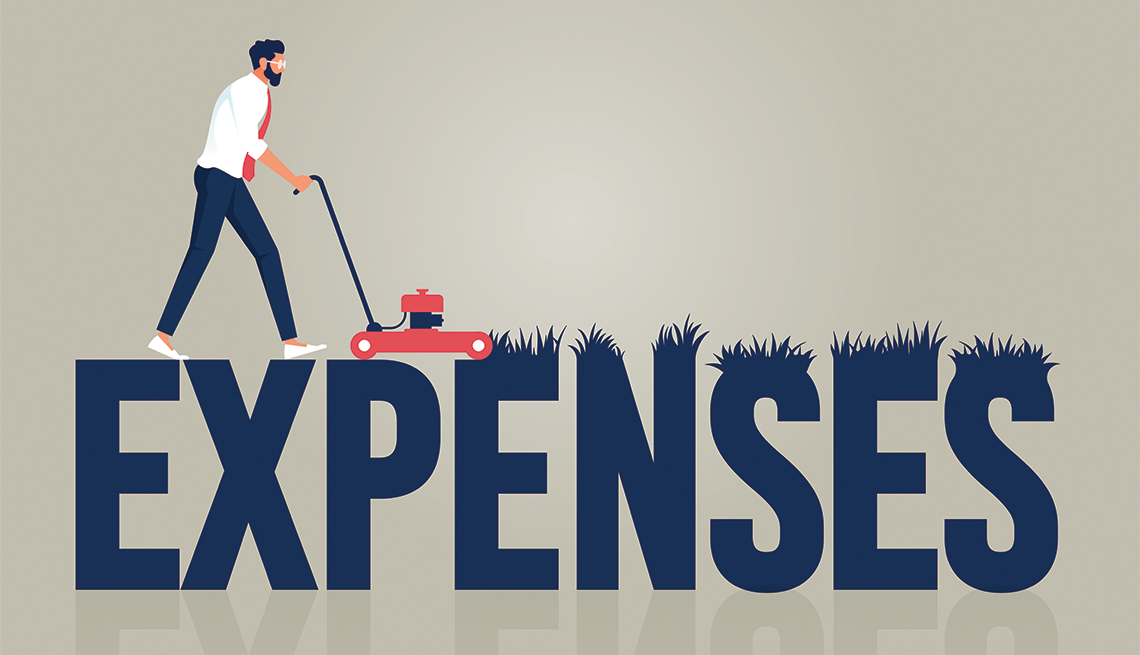
Public Spending Cuts and Recession: Why They Do Not Always Lead to Social Development

During periods of fiscal stress, governments often announce public spending cuts as a way to balance budgets and reduce debt levels. The logic seems straightforward: spend less today to ensure financial sustainability tomorrow.
However, economic history shows that excessive spending cuts, especially during economic downturns, do not always result in social development. In some cases, they may even worsen problems such as unemployment, lower incomes, and rising inequality.
What Are Public Spending Cuts?
Public spending cuts occur when governments reduce expenditures across different areas of the economy. These reductions may affect infrastructure projects, education, healthcare, social programs, research, public safety, and other sectors.
The primary objective is usually to control fiscal deficits and reduce the need for government borrowing.
Fiscal discipline is important for any country. However, the impact of spending cuts depends largely on how they are implemented and the economic conditions under which they occur.
How Does a Recession Affect Society?
A recession is characterized by a decline in economic activity. During these periods, businesses typically sell less, invest less, and hire fewer workers.
Common consequences include:
- Higher unemployment;
- Lower household income;
- Reduced consumer spending;
- Lower tax revenues;
- Declining private-sector investment.
When governments also reduce spending during a recession, some economists argue that the economy may lose an important source of demand and growth.
Why Can Large Spending Cuts Hinder Social Development?
Social development depends on several factors, including quality education, accessible healthcare, adequate infrastructure, and job creation.
When spending cuts affect strategic sectors, long-term consequences may emerge.
Reduced Investment in Education
A skilled workforce is one of the foundations of sustainable economic growth. Significant reductions in educational funding may limit access, quality, and future productivity gains.
Insufficient Infrastructure
Roads, ports, airports, energy systems, and sanitation networks are critical for economic efficiency. Without adequate investment, productivity growth and competitiveness may suffer.
Lower Job Creation
Public investments and infrastructure projects often generate employment opportunities directly and indirectly. Reducing these initiatives may weaken labor market conditions.
Rising Inequality
Well-designed social programs can help vulnerable populations during difficult economic periods. Broad spending cuts may disproportionately affect those with fewer resources and opportunities.
Is There a Better Balance?
Many economists argue that the real challenge is not simply spending more or spending less.
Instead, governments should focus on spending efficiently.
Effective public policies often aim to:
- Reduce waste and inefficiencies;
- Improve resource allocation;
- Prioritize investments with strong social and economic returns;
- Maintain fiscal responsibility without undermining strategic sectors.
Several countries that achieved significant improvements in income levels, education, and quality of life combined fiscal discipline with consistent investments in human capital and infrastructure.
What Can Investors Learn from This?
Changes in fiscal policy can directly affect financial markets.
Government spending decisions may influence:
- Interest rates;
- Inflation;
- Stock markets;
- Investment funds;
- Currency markets;
- Government bonds.
For this reason, understanding the broader economic environment is essential for making informed investment decisions and building long-term wealth.
Conclusion
Fiscal responsibility remains an important component of economic stability. However, sustainable social development often requires a balance between sound public finances and investments that promote productivity, employment, and quality of life.